In the bustling landscape of Tennessee, businesses of all sizes face a common challenge: safeguarding their assets, employees, and reputation from a myriad of threats. From retail establishments in Nashville’s vibrant districts to industrial complexes in Chattanooga and bustling offices in Memphis, the need for robust security is paramount. It’s no longer enough to simply lock the doors at night; a truly secure business requires a multi-layered, integrated approach.
This isn’t just about preventing theft or vandalism; it’s about creating an environment where your business can thrive, free from unnecessary risks and anxieties. It’s about proactive protection, smart investment, and ultimately, peace of mind. At Matson Alarm of Tennessee, we understand the unique security needs of businesses across the Volunteer State. With decades of experience and a commitment to cutting-edge technology, we’re here to guide you through the complexities of commercial security, helping you build a system that’s not just effective, but a valuable asset to your bottom line.
In this ultimate guide, we’ll explore the core components of a truly comprehensive commercial security system, delve into the significant return on investment (ROI) these systems offer, and shed light on crucial regulatory compliance for various industries in Tennessee.
The Foundation of True Security: Core System Components
A truly comprehensive commercial security system isn’t a single product; it’s an intelligent ecosystem of interconnected technologies working in harmony. Think of it like a well-oiled machine, where each part plays a vital role in the overall protection of your business. Let’s break down the essential components:
1. Access Control Systems: Who Goes Where, When?
Imagine a system that grants or denies entry, tracks movement, and provides an undeniable record of who was where, and at what time. That’s the power of access control. Beyond traditional keys, which are easily lost, duplicated, or never returned, modern access control systems offer unparalleled flexibility and security.
- Keycards and Fobs: These are the most common forms of credential, offering a convenient and customizable way to manage entry. You can program them to grant access to specific areas only during certain hours, and instantly deactivate them if an employee leaves or a card is lost.
- Biometric Scanners: For enhanced security in sensitive areas, biometric systems utilize unique physical traits like fingerprints or facial recognition. This eliminates the risk of shared or stolen credentials, ensuring only authorized individuals can enter.
- Intercom Systems: Whether for visitor management or secure package delivery, integrated intercoms allow for visual and audio verification before granting access.
- Audit Trails: One of the most invaluable features of access control is the ability to generate detailed reports of all entry and exit attempts. This digital “paper trail” is critical for investigations, compliance, and understanding traffic patterns within your facility.
- Integration with Fire Alarms: A crucial safety feature, modern access control systems can be integrated with fire alarms to automatically unlock doors in the event of a fire, ensuring safe and swift evacuation. This prevents occupants from being trapped and allows emergency responders quick access.
Why it matters for your business: Access control gives you granular control over who enters your premises and specific areas within. This is vital for protecting sensitive data, valuable inventory, and restricting access to areas with hazardous materials. It also helps manage employee access, preventing unauthorized entry after hours or into restricted zones.
2. Intrusion Detection Systems: Your Unblinking Eye
Intrusion detection systems are your first line of defense against unauthorized entry. These systems are designed to detect a breach and immediately alert you and/or a monitoring center, triggering a rapid response.
- Door and Window Sensors: These magnetic contact sensors detect when a door or window is opened. They are fundamental for securing all entry points.
- Motion Detectors: Utilizing technologies like passive infrared (PIR) or microwave, motion detectors sense movement within a defined area. They can be strategically placed to cover large spaces, corridors, or specific zones.
- Glass Break Detectors: These specialized sensors listen for the distinct sound frequency of breaking glass, providing an early warning of a forced entry attempt through windows or glass doors.
- Panic Buttons: Strategically placed, these allow employees to discreetly or overtly trigger an alarm in an emergency situation, alerting authorities to a potential threat.
- Perimeter Protection: Beyond the building itself, external sensors and beams can detect trespassers on your property before they even reach your building, providing an added layer of security.
- 24/7 Monitoring: A crucial element, professional monitoring ensures that any alarm signal is immediately received by a central station, where trained operators can verify the threat and dispatch appropriate emergency services (police, fire, or medical) without delay. Matson Alarm’s UL Listed and CSAA Five Diamond Awarded central station provides this critical service around the clock.
Why it matters for your business: An effective intrusion detection system deters potential criminals and provides immediate notification in the event of a breach, minimizing potential losses and facilitating a swift emergency response.
3. Surveillance Systems (CCTV): The Visual Record
Video surveillance, commonly known as CCTV (Closed-Circuit Television), provides the visual evidence you need to understand and respond to security incidents. Modern surveillance goes far beyond grainy black-and-white images.
- High-Definition Cameras: Today’s cameras offer crystal-clear images, often in 1080p or even 4K resolution, making it easier to identify individuals and details.
- Indoor and Outdoor Cameras: Weatherproof and vandal-resistant outdoor cameras can cover perimeters, parking lots, and loading docks, while indoor cameras monitor entryways, cash registers, and critical operational areas.
- Night Vision and Low-Light Capabilities: Advanced cameras utilize infrared technology or superior low-light sensors to provide clear images even in complete darkness, ensuring 24/7 visibility.
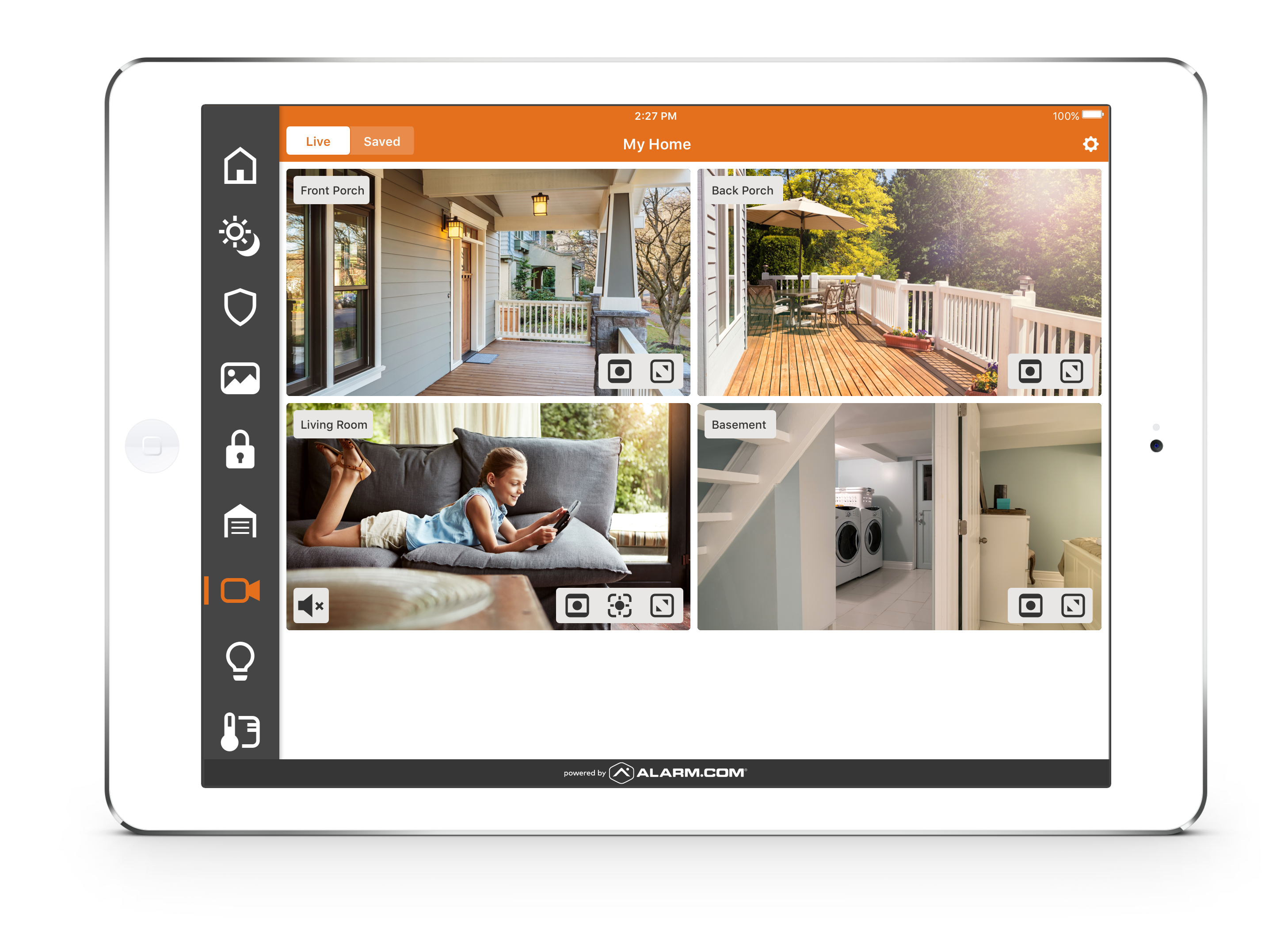
- Remote Access and Mobile Apps: With cloud-based systems and intuitive mobile apps, you can view live feeds and recorded footage from anywhere in the world, directly from your smartphone or tablet.
- Motion-Activated Recording: To conserve storage and make reviewing footage more efficient, cameras can be set to record only when motion is detected, often with pre- and post-event buffering.
- Video Analytics: Increasingly sophisticated, video analytics can identify unusual activity, count people, detect objects left behind, or even recognize specific faces or license plates, triggering alerts based on predefined rules.
- Video Doorbells: While often associated with home security, commercial-grade video doorbells are excellent for managing front entrances, allowing you to see, speak with, and grant access to visitors remotely.
Why it matters for your business: Surveillance acts as a powerful deterrent, provides invaluable evidence for law enforcement and insurance claims, helps you monitor operations, and can even improve employee accountability and customer service.
4. Fire Alarm Systems: Protecting Lives and Property from Fire
While often viewed separately, fire alarm systems are an indispensable part of a truly comprehensive commercial security strategy. Fires pose a devastating threat to businesses, capable of causing immense damage, financial ruin, and, most importantly, putting lives at risk.
- Smoke and Heat Detectors: These are the primary sensors, designed to detect the earliest signs of a fire. Smoke detectors are crucial for early warning, while heat detectors are suitable for areas where smoke might be present under normal conditions (e.g., kitchens, manufacturing areas) or where rapid temperature changes indicate a fire.
- Manual Pull Stations: Strategically located throughout your facility, these allow occupants to manually trigger the fire alarm in an emergency.
- Audible and Visual Notification Devices: Sirens, horns, and strobe lights alert occupants to a fire, guiding them to safety, especially important for individuals with hearing impairments.
- Control Panels: The central hub of the fire alarm system, receiving signals from detectors and initiating alarms and notifications to a monitoring center.
- Sprinkler System Monitoring: Many modern fire alarm systems can monitor the status of your automatic sprinkler system, alerting you if it activates or malfunctions.
- Integration with HVAC Systems: In some advanced systems, the fire alarm can be linked to your building’s HVAC system to shut down air circulation, preventing the spread of smoke.
- Direct Connection to Emergency Services: Monitored fire alarm systems automatically dispatch fire services, ensuring the fastest possible response, even when your business is closed.
Why it matters for your business: Early detection and notification are critical for minimizing fire damage and ensuring the safe evacuation of everyone in your building. Beyond the obvious safety benefits, a properly installed and maintained fire alarm system is often a regulatory requirement and can significantly impact your insurance premiums. Matson Alarm can design, install, upgrade, and monitor fire alarm systems for any building, ensuring you meet all necessary codes.

The ROI of Investing in Commercial Security: More Than Just an Expense
When considering a significant business investment, the question of “What’s the return?” is always at the forefront. Commercial security systems, while an upfront cost, are not merely an expense; they are a strategic investment that delivers substantial returns in various tangible and intangible ways.
Tangible Benefits: Measurable Savings and Gains
- Loss Prevention and Reduced Shrinkage:
- Theft Deterrence: Visible cameras, access control points, and alarm systems act as powerful deterrents to both external criminals and internal theft. Studies consistently show a reduction in crime rates in areas with robust surveillance. You can find more information on the effectiveness of security measures in crime reduction from organizations like the National Institute of Justice.
- Reduced Vandalism and Property Damage: A secure perimeter and monitored premises discourage acts of vandalism, saving you money on repairs and replacements.
- Inventory Protection: Especially critical for retail, manufacturing, and warehousing businesses, security systems directly protect valuable inventory from theft, which can otherwise lead to significant financial losses and disrupt supply chains.
- Faster Incident Response: 24/7 monitoring ensures that if a breach occurs, law enforcement or security personnel are dispatched quickly, potentially minimizing losses before extensive damage is done.
- Lower Insurance Premiums:
- Insurance companies recognize that businesses with comprehensive security measures are at a lower risk of experiencing incidents like theft, fire, or vandalism. By demonstrating a proactive approach to risk mitigation, you can often negotiate lower insurance premiums, offsetting a portion of your security system’s cost over time. It’s a clear financial incentive for a safer business. You can often consult with your commercial insurance provider to understand potential premium reductions related to enhanced security.
- Increased Operational Efficiency:
- Streamlined Access: Access control systems eliminate the need for traditional keys, simplifying key management, reducing locksmith costs, and making it easy to grant or revoke access as employees come and go.
- Improved Employee Productivity: When employees feel safe and secure, they are more focused, less stressed, and ultimately more productive. A secure environment fosters a positive work atmosphere.
- Operational Insights from Surveillance: Beyond security, surveillance footage can offer valuable insights into customer traffic flow, employee performance, and process bottlenecks, leading to operational improvements.
- Reduced Fraud and Litigation:
- Evidence for Disputes: Video surveillance provides objective evidence in cases of false claims, workplace incidents, or customer disputes, protecting your business from potentially costly lawsuits. The U.S. Chamber of Commerce often publishes resources on small business protection and fraud prevention.
- Identification of Fraudulent Activity: Security systems can help identify internal fraud or external scams, leading to quicker resolution and recovery of assets.
Intangible Benefits: Boosting Your Business’s Foundation
- Enhanced Employee Morale and Safety:
- Knowing that their workplace is protected by a comprehensive security system instills a sense of safety and well-being among your employees. This peace of mind translates into higher job satisfaction, reduced absenteeism, and a more positive work environment. A secure workplace demonstrates that you value your team. Resources from organizations like the Occupational Safety and Health Administration (OSHA) emphasize the importance of a safe work environment for employee well-being.
- Improved Customer Trust and Confidence:
- For customer-facing businesses, visible security measures reassure customers that their safety is a priority. This can lead to increased loyalty, repeat business, and positive word-of-mouth referrals. A secure environment signals professionalism and reliability.
- Peace of Mind for Business Owners:
- Running a business is inherently stressful. A robust security system alleviates a significant portion of that burden, allowing you to focus your energy on growth, innovation, and strategic decisions, rather than constantly worrying about potential threats. This peace of mind is an invaluable return on investment.
- Professional Image and Brand Reputation:
- A well-secured facility projects an image of professionalism, responsibility, and attention to detail. This enhances your brand’s reputation with clients, partners, and the community.
- Compliance and Regulatory Adherence:
- Meeting industry-specific security standards and regulations can avoid costly fines, legal repercussions, and reputational damage. This leads us to our next crucial point.

Navigating Regulatory Compliance in Tennessee
Operating a business in Tennessee means adhering to various regulations, and security systems are no exception. Compliance isn’t just a legal necessity; it’s a testament to your commitment to safety and best practices. While specific requirements can vary significantly by industry, a few overarching principles and bodies govern commercial security in Tennessee.
Tennessee Alarm Systems Contractors Board
The primary regulatory body in Tennessee for alarm systems is the Tennessee Alarm Systems Contractors Board, under the Department of Commerce and Insurance. To legally sell, install, service, or monitor alarm systems in Tennessee, a company (and its qualifying agents) must be licensed. Matson Alarm of Tennessee holds all necessary licenses and certifications, ensuring our operations are fully compliant with state law.
Key aspects of Tennessee regulations include:
- Licensing: Alarm systems contractors must obtain specific licenses for different types of work, including Fire Alarm, Burglar Alarm, CCTV, and Alarm Monitoring. This ensures that professionals working on your system meet specific experience, education, and examination requirements.
- Continuing Education: Licensed professionals are required to complete continuing education hours to maintain their licenses, ensuring they stay up-to-date with the latest technologies and industry standards.
- Good Moral Character: The state emphasizes that licensed individuals must possess “high legal, moral and ethical values,” reflecting the trust placed in security professionals.
- Alarm Verification: Many jurisdictions within Tennessee, and the state’s definitions, emphasize “alarm verification” – an attempt by a monitoring company to contact the alarm location or user to determine if a burglar alarm signal is valid before dispatching law enforcement. This helps reduce false alarms and ensures efficient use of emergency resources.
National Codes and Standards (Especially for Fire)
Beyond state licensing, various national codes and standards dictate the design, installation, and maintenance of commercial security systems, particularly fire alarm systems.
- NFPA 70: National Electrical Code (NEC): This code sets the foundation for electrical safety in all occupancies, including commercial and industrial settings. Any electrical wiring for your security system, from cameras to access control panels, must comply with NEC standards.
- NFPA 72®: National Fire Alarm and Signaling Code®: This is the benchmark for fire alarm systems. It covers comprehensive requirements for the application, installation, location, performance, inspection, testing, and maintenance of fire alarm systems and emergency communication systems. Adhering to NFPA 72 is critical for both safety and legal compliance.
- Regular Inspections: NFPA 72 mandates regular inspections and testing of fire alarm systems to ensure they are functioning correctly. Matson Alarm provides fire inspection services to help businesses meet these crucial requirements.
Industry-Specific Compliance Considerations
While general regulations apply to all, certain industries in Tennessee have specific security and compliance mandates due to the nature of their operations or the sensitive data they handle.
- Healthcare (HIPAA): Facilities handling Protected Health Information (PHI) must implement robust physical security measures to protect patient data, including restricted access to sensitive areas, surveillance of data centers, and secure storage of physical records.
- Financial Services (PCI DSS; GLBA): Banks, credit unions, and other financial institutions must comply with strict regulations like the Payment Card Industry Data Security Standard (PCI DSS) for protecting cardholder data, and the Gramm-Leach-Bliley Act (GLBA) for safeguarding customer financial information. This often translates to advanced access control, comprehensive surveillance, and secure data storage environments.
- Retail: Beyond general loss prevention, retailers often deal with specific regulations regarding cash handling, inventory management, and employee safety, all of which are enhanced by effective security systems. The National Retail Federation (NRF) provides insights into retail security best practices.
- Manufacturing and Industrial: These facilities often have specific safety protocols for hazardous materials, restricted access to machinery, and large perimeters requiring extensive intrusion detection and surveillance.
- Education: Schools and universities have unique challenges related to student and staff safety, requiring integrated security solutions that include access control for buildings, surveillance of common areas, and emergency communication systems.
- Government Facilities: These often have the most stringent security requirements, including specialized access control, highly monitored perimeters, and secure communication systems.
Matson Alarm of Tennessee’s Expertise: We understand that navigating these regulatory landscapes can be daunting. Our team is well-versed in Tennessee state regulations and national codes, and we work closely with businesses to design and implement security solutions that not only meet but exceed compliance requirements for their specific industry.
Why Choose Matson Alarm of Tennessee?
Choosing the right security partner is as crucial as selecting the right system. In Tennessee, Matson Alarm stands out as a leader in commercial security for several compelling reasons:
- Decades of Experience: With a long-standing reputation and a history of being a “US Top 100 alarm company” for 20 years running, Matson Alarm brings unparalleled experience and expertise to every project.
- Award-Winning Service: Being recognized as “Mid-Market Dealer of the Year 2019-2021” and “Voted Best Security Company 2019-2023” isn’t just a badge; it’s a testament to our commitment to customer satisfaction and operational excellence.
- Comprehensive Solutions: We don’t offer one-size-fits-all packages. Instead, we custom-tailor each security system, integrating access control, intrusion detection, surveillance, and fire safety to meet your unique business needs and budget.
- 24/7 Professional Monitoring: Our UL Listed and CSAA Five Diamond Awarded central monitoring station ensures rapid response to any alarm, day or night, providing invaluable peace of mind.
- Local Presence, National Resources: While we serve Tennessee businesses with a local understanding, we also leverage national resources and best practices to bring you the most effective and reliable security solutions.
- Expert Team: Our staff is comprised of licensed, highly trained, and professional technicians and customer service representatives who are dedicated to your safety and satisfaction.
- Ongoing Support and Maintenance: Security is not a set-it-and-forget-it solution. We provide ongoing support, maintenance, and fire inspections to ensure your system remains operational and compliant for years to come.
Conclusion: Securing Your Business Future in Tennessee
In today’s dynamic business environment, investing in a robust and comprehensive commercial security system is not a luxury; it’s a strategic imperative. It’s an investment that safeguards your physical assets, protects your most valuable resource, your people, and ultimately contributes to the long-term profitability and success of your business.
From deterring crime and reducing financial losses to lowering insurance premiums and boosting employee morale, the return on investment from a well-designed security system is clear and quantifiable. Furthermore, ensuring regulatory compliance not only keeps your business in good standing but also reinforces your commitment to safety and best practices within your industry.
Don’t leave the future of your Tennessee business to chance. Let Matson Alarm of Tennessee be your trusted partner in building a secure future. Our expertise in access control, intrusion detection, surveillance, and fire alarm systems, combined with our unwavering commitment to customer satisfaction and compliance, makes us the ideal choice for businesses across the state.
Take the first step towards a more secure and prosperous future for your Tennessee business.
Ready to Protect What Matters Most?
Contact Matson Alarm of Tennessee today for a personalized security consultation. Our experts are ready to assess your unique needs and design a comprehensive security system that provides ultimate protection and peace of mind.